Europe
Slasify 助力出海:印度雇佣与薪酬支付全攻略
Slasify最新《印度雇佣与薪酬支付全攻略》:详解印度各邦差异化的劳动法规、个人所得税(最高42.74%)、社保缴款、解雇补偿与休假制度,助您合规出海印度,规避用工风险。提供专业EOR全球雇佣解决方案。
德国作为欧洲经济的引擎,拥有顶尖的人才、完善的基础设施和稳定的政治环境,是许多中国企业出海的首选。然而,德国严密的劳动法体系、高额的用工成本和复杂的税务社保规定,也构成了显著的准入壁垒。本指南将为您梳理在德国雇佣员工的核心要素,助您在欧洲市场平稳启航。
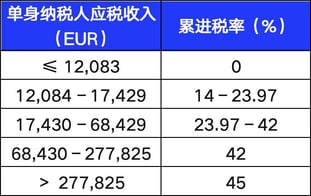
德国员工需缴纳个人所得税及附加税,采用累进税率制度。
区间内的实际税率需依照德国税务局发布的计算公式执行。
在个人所得税总额的基础上征收,最高 5.5%,以下情况免征:
此外,团结税总额不得超过“个人所得税总额与免税额”之间差额的 11.9%。
官方认可教会的成员需缴纳教会税(Church Tax),同样也是在个人所得税总额的基础上征收。税率为 8%(在巴伐利亚州和巴登-符腾堡州)或 9%(其他州)。
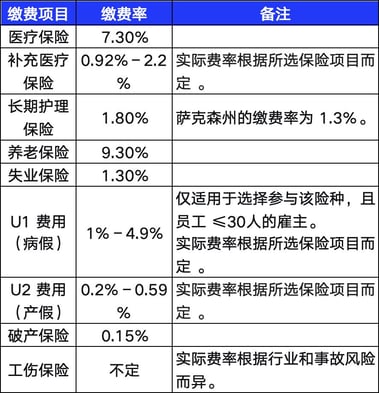
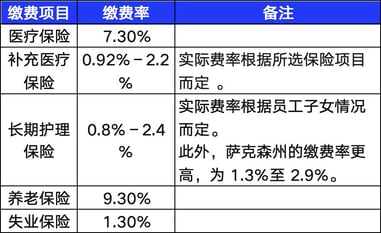
德国的养老保险、失业保险、医疗保险以及长期护理保险都是以年收入为基数进行缴费,而缴费基数上限有所不同。
养老保险和失业保险的缴费基数上限为 96,600 欧元。医疗保险和长期护理保险的缴费基数上限为 66,150 欧元。
雇主缴费部分
📌查看官方信息来源:
员工缴费部分
📌查看官方信息来源:
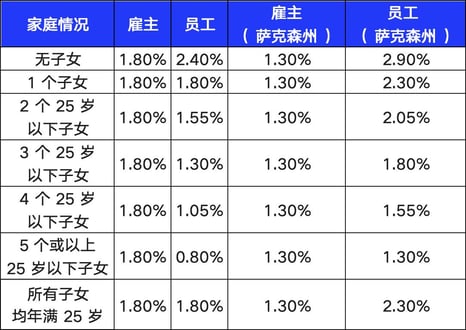
长期护理保险的缴费率根据员工子女情况会有所不同,具体如下:
工资支付周期
德国的发薪周期通常不超过一个月,并且应按合同中约定的固定日期向员工支付工资。
最低工资
自 2025 年 1 月 1 日起,德国的最低工资为每小时 12.82 欧元。
员工人数超过 10 人的公司,且员工连续工作至少 6 个月,受《解雇保护法》保护,不能随意解雇。仅在以下三类情形下,雇主可依法解除劳动关系:
因个人行为原因
包括但不限于:故意违反合同约定、持续不服从合理工作安排、对雇主或同事实施口头或身体侵害、因对雇主或客户犯罪而被判刑等。
对行为性问题通常应先出具书面警告;若构成重大违约可考虑即时解雇,雇主需在知悉理由后 2 周内作出即时解雇决定。
因个人能力原因
如因身体残疾或其他原因导致无法履行岗位职责,或丧失从事该工作所必需的执照等。
因紧急业务需求
雇主需证明存在迫不得已的经营性原因,且在选择解雇对象完全基于员工的资质、社会因素等客观非歧视性标准进行选择。
不属于合法解雇的情形:单纯主观评价“表现不佳”不足以合法解雇,但若长期、显著低于岗位要求且经合理改进机会仍无改善,可构成能力性解雇理由。
根据员工的服务年限,法定通知期如下:
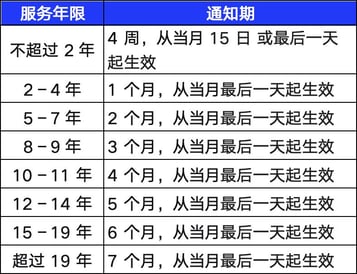
员工辞职需提前 4 周通知,且通知截止日期应约定为当月 15 日或最后一天。
在任何情况下,如果任意一方严重违反合同义务,双方均可立即终止雇佣关系,而无需遵守通知期。
在德国,法律并未强制规定雇主必须支付遣散费。然而在实践中,雇主通常选择支付遣散费以规避潜在的劳动争议与法律诉讼。
德国员工的每日标准工作时间为 8 小时,若 6个月 内日均工作时间不超过 8 小时,则可延长至 10 小时,无需支付加班费。
全职员工每周工作时间有以下规定:
加班不受法律监管,取决于个人或集体协议。但是,雇员每周工作不得超过 60 小时,在 6 个月内平均每周不超过 48 小时。
员工在每个工作日之间应享有至少 11 小时的休息时间,并且除了服务行业外,员工一般禁止在周日工作。并且,那些需要周日工作的人应在 2 周内获得同等时间的补休。
德国的公共假期并非全国统一,而是由各个州自行规定,2025 年德国有 9 个全国性公共假期。
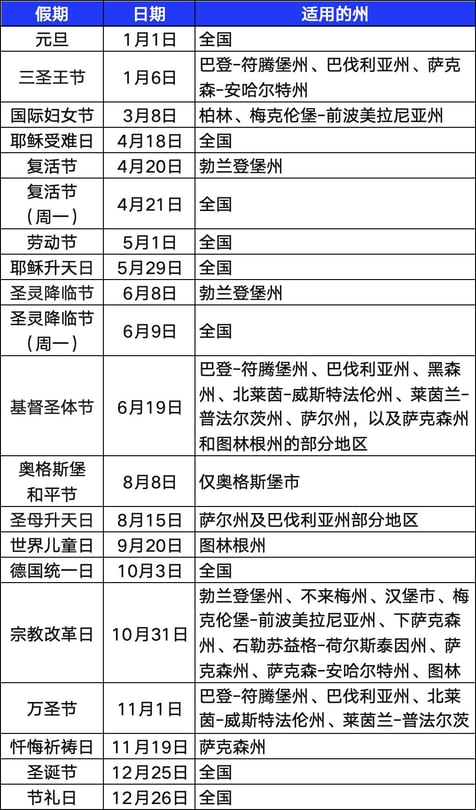
除服务行业外,员工一般禁止在公共假期工作。那些需要在公共假期工作的员工应在 8 周内获得同等时间的补休。
服务年限在 6 个月及以上的员工每年享有 20 天的带薪年假(每周工作 5 天),24 天(每周工作 6 天)。服务年限不足 6 个月的员工,其年假天数应按其工作时间按比例折算。
员工的年假通常应在当年使用完毕。仅当因紧急工作需求或员工个人特殊原因导致无法休假时,经确认后,剩余年假可结转到下一日历年,且必须在下一日历年的第一季度内休完。
服务年限在 4 周及以上的员工有权获得最长 6 周的全薪病假,由雇主支付。服务年限不满 4 周、休病假的员工,雇主无需支付病假期间工资。
如果同一疾病持续超过 6 周,雇主则无需继续支付病假工资。在这类情况下,雇员可以向其医疗保险部门申请疾病津贴。通常,只有在医生确认生病且医生证明有效的情况下才支付病假津贴。
注意:若员工人数不超过 30 人,且继续向休病假的员工支付工资,雇主可以向相关医疗保险部门申请部分报销。
Female employees are entitled to at least 6 weeks of pre-natal leave and 8 weeks of post-natal leave. Post-natal leave can be extended to up to 12 weeks in the event of premature and multiple births, and when the child is declared disabled within 8 weeks of birth.
Maternity allowance shall be paid by the employee's health insurance based on their last salary, up to a maximum of EUR 13 per day. However, if the employee is not party to the public health insurance, they can receive up to EUR 210 as a one-time payment from the Federal Office for Social Security. The difference between the allowance and the employee's full salary shall be covered by the employer.
Employers continuing the payments for their employees on maternity leave can claim for reimbursements from the relevant health insurance.
Employed fathers can usually only take time off on the day of childbirth, in addition to any parental leave they are entitled to. However, effective 2024, employees will be entitled to paid paternity leave for 2 weeks following childbirth.
Employees are entitled to take unpaid parental leave for up to 3 years per child, which can be taken all at once or in up to 3 separate segments. In general, this leave should be taken before the child's 3rd birthday. However, if any time remains, up to 24 months of leave can be taken until the child's 8th birthday.
Employees shall notify their employers of their intended leave 7 weeks in advance for leave taken before child's 3rd birthday and 13 weeks in advance for leave taken after child's 3rd birthday.
Each parent can divide their entire parental leave entitlement into 3 periods, provided that the employer retain the right to refuse the 3rd part of the requested leave for urgent operational reasons if it takes place between the child's 3rd birthday and their 8th year of life. Distribution over additional periods or more than 3 periods is possible with the employer's consent.
Note: Parents shall be allowed to work part-time for up to 32 hours per week during their parental leave period. In such cases, it is not the individual week that matters, but the monthly average.
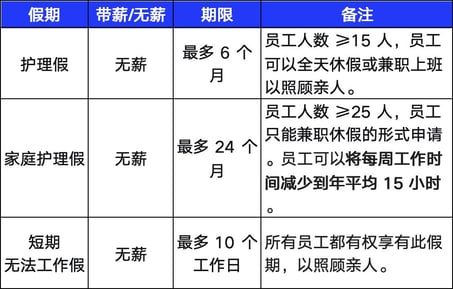
与育儿假一样,员工的职位和社会保险福利在他们休护理假和家庭护理假期间受到保护。收入损失可以通过免息护理贷款来补偿。在任何情况下,护理假和家庭护理假的总时长不得超过 24 个月。
Slasify致力于为企业提供全球名义雇主EOR、全球灵活用工和全球薪酬管理服务,是企业出海的得力助手。从企业踏足海外市场的第一天开始,我们就可以提供专业的人事解决方案,确保企业在目标国家合规用工、海外员工签约入职、海外薪资代发等等,确保企业顺利开展业务。
我们摒弃了千篇一律的标准化解决方案,深度理解每家企业的需求,打造契合的专业服务+HR科技解决方案。我们的目标是让人力资源管理超越传统的标准化流程,真正回归到“人”本身。通过让雇佣、上岗、合同管理、薪资管理、合规等工作变得无缝衔接、灵活自如,我们为企业和员工赋能,释放无限潜力。这不仅仅是对流程的优化,更是对人性的尊重与关怀。
Slasify最新《印度雇佣与薪酬支付全攻略》:详解印度各邦差异化的劳动法规、个人所得税(最高42.74%)、社保缴款、解雇补偿与休假制度,助您合规出海印度,规避用工风险。提供专业EOR全球雇佣解决方案。
新加坡雇佣核心要素,涵盖薪酬发放、个税、法定缴纳金、休假及解雇政策等。为计划进入新加坡市场的企业提供全面合规指引,并推荐通过Slasify的EOR服务等实现无忧雇佣与缴纳金、休假及解雇政策等。为计划进入新加坡市场的企业提供全面合规指引,并推荐通过Slasify的EOR服务等实现无忧雇佣与本地化支持。
马来西亚雇佣与薪酬支付全攻略(2025最新)!涵盖最低工资RM1700、个税、EPF/SOCSO缴款、年假、解雇流程等关键法规。Slasify提供专业EOR服务,助您合规高效进入马来西亚市场。立即获取解决方案!